




Resources
A collection of free resources to help you raise funds and share the work we do

About our charity
The Mission to Seafarers provides help to the 1.89 million people who face danger every day to keep our global economy afloat.

What is a seafarer
Support for anyone working in the seafaring industry
Our impact
Providing help for seafarers in over 200 ports around the world.
Our issues
Multiple issues effect Seafarers everyday, learn how we help
Our people
Learn more about the staff that make change happen
Careers
Impacts on the lives of people across the world
Publications
Explore our latest publications, reports, and stories showcasing the impact of our work.

Back
About our charity
The Mission to Seafarers provides help to the 1.89 million people who face danger every day to keep our global economy afloat.
What is a seafarer
Support for anyone working in the seafaring industry
Our impact
Providing help for seafarers in over 200 ports around the world.
Our issues
Multiple issues effect Seafarers everyday, learn how we help
Our people
Learn more about the staff that make change happen
Careers
Impacts on the lives of people across the world
Publications
Explore our latest publications, reports, and stories showcasing the impact of our work.

Where can I get help?
We are here for you 24/7
Download our app
The first digital seafarers’ centre in your pocket.

Find a port
We’re located in over 200 ports in 50 different countries
Family network
Learn more about the community we’re building for seafarers’ families
The Sea
The latest maritime news and safety information for seafarers.
WeCare
An initiative designed to improve the mental health and wellbeing of seafarers
Training
We have a range of e-learning for seafarers and their families
Seafarers happiness index
A platform for seafarers to share their views and be a catalyst for change
Contact our Chaplaincy team
Support for anyone working in the seafaring industry
Back
Where can I get help?
We are here for you 24/7
Download our app
The first digital seafarers’ centre in your pocket
Find a port
We’re located in over 200 ports in 50 different countries
Family network
Learn more about the community we’re building for seafarers’ families
The Sea
The latest maritime news and safety information for seafarers.
WeCare
An initiative designed to improve the mental health and wellbeing of seafarers
Training
We have a range of e-learning for seafarers and their families
Seafarers happiness index
A platform for seafarers to share their views and be a catalyst for change
Contact our Chaplaincy team
Support for anyone working in the seafaring industry

Make a donation
With your help we can be there for everyone that needs us

Events
Learn more about our global programme of events

Legacy
Support us with a legacy gift.
Back
Make a donation
With your help we can be there for everyone that needs us
Events
Learn more about our global programme of events
Legacy
Support us with a legacy gift.
July 2026
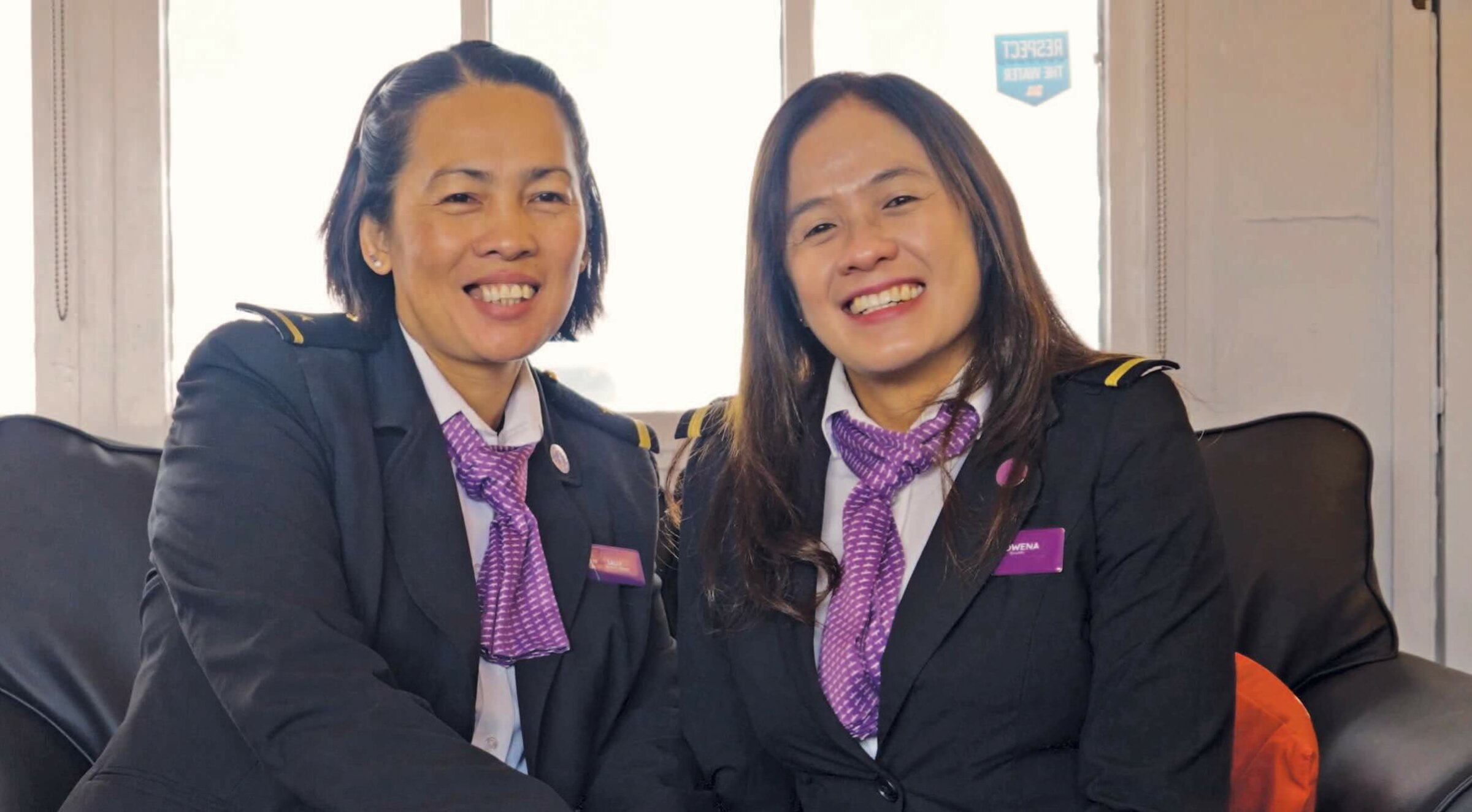
Women currently make up about 1% of the global seafaring workforce, but this number is steadily rising. In Brazil, 13% of the maritime workforce is female, while recruitment drives from Maersk and CMA CGM Group have doubled female representation.
This is encouraging for all women. As one second cook reported, “Recently, there are more opportunities for women at sea than before. It has shaped my career, motivating me to work harder and excel.”
GROWTH COMES WITH SIGNIFICANT CHALLENGES.
However, barriers to healthcare, inadequate facilities, and isolation within predominantly male crews remain. For example, 40% of women report having no access to sanitary bins.
Perhaps most alarming is research showing that one in three women seafarers has experienced sexual harassment. Only 6% of welfare staff are trained to respond, highlighting a critical gap the Mission is addressing through its Inclusion at Sea programme.
INCLUSION AT SEA
“This is not about giving women special treatment, but recognising that they face different challenges that require specific support,” explains Ruth Campbell, The Mission’s Chaplaincy Development Manager.
“It may be a listening ear, helping women stock up on hygiene supplies, or access to Wi-Fi. But it could also involve addressing bullying or sexual harassment, where our role is to show them the options available.”
THREEFOLD APPROACH
In response, the Mission is recruiting female welfare officers to support seafarers, with a particular focus on female crew, in key cruise ports.
It is also reviewing centres to ensure gender-appropriate facilities are in place, alongside developing an online platform with resources for female crew and targeted communications highlighting available services.
FREE, COMPREHENSIVE TRAINING
Central to this initiative is a comprehensive online training course informed by global research and frontline work, designed for welfare staff, volunteers, and maritime professionals.
“The resources are grounded in the lived experiences of female seafarers and welfare staff, so we know they are meeting real needs,” Ruth adds.
Each module equips teams to confidently and sensitively manage issues such as harassment, mental health, trauma, and access to care.
WELFARE TEAMS ARE VITAL
For many women working at sea, a welfare officer may be the first, and sometimes only, person they can turn to.
As one female seafarer, Manjila, confirms, “The Mission to Seafarers is our family, someone we can connect with at any time.”
As the industry continues to evolve, programmes like Inclusion at Sea represent an important step to build a safer, more supportive environment where women can thrive in careers they love.
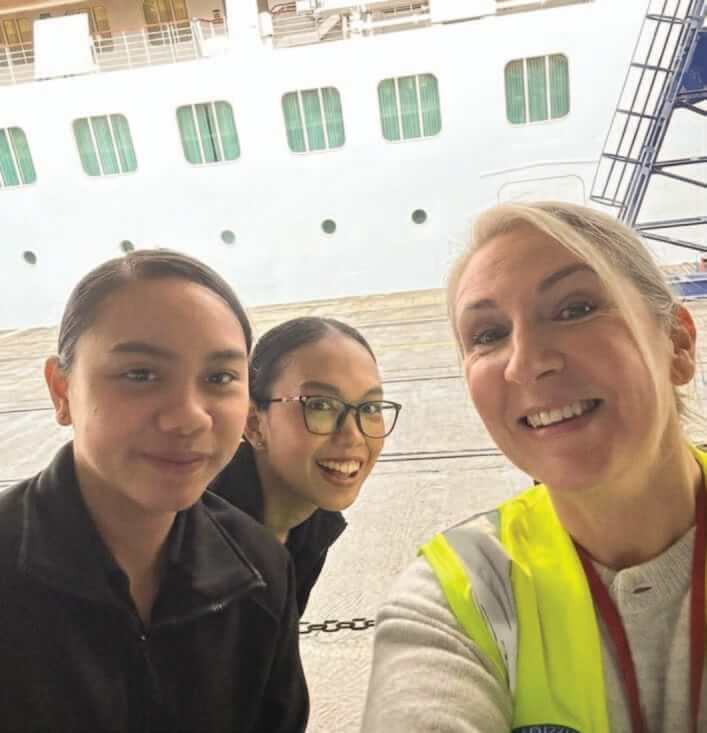
1.89 million people work at sea, and with your help we can be there for everyone that needs us.