



Resources
A collection of free resources to help you raise funds and share the work we do

About our charity
The Mission to Seafarers provides help to the 1.89 million people who face danger every day to keep our global economy afloat.

What is a seafarer
Support for anyone working in the seafaring industry
Our impact
Providing help for seafarers in over 200 ports around the world.
Our issues
Multiple issues effect Seafarers everyday, learn how we help
Our people
Learn more about the staff that make change happen
Careers
Impacts on the lives of people across the world
Publications
Explore our latest publications, reports, and stories showcasing the impact of our work.

Back
About our charity
The Mission to Seafarers provides help to the 1.89 million people who face danger every day to keep our global economy afloat.
What is a seafarer
Support for anyone working in the seafaring industry
Our impact
Providing help for seafarers in over 200 ports around the world.
Our issues
Multiple issues effect Seafarers everyday, learn how we help
Our people
Learn more about the staff that make change happen
Careers
Impacts on the lives of people across the world
Publications
Explore our latest publications, reports, and stories showcasing the impact of our work.

Where can I get help?
We are here for you 24/7
Download our app
The first digital seafarers’ centre in your pocket.

Find a port
We’re located in over 200 ports in 50 different countries
Family network
Learn more about the community we’re building for seafarers’ families
The Sea
The latest maritime news and safety information for seafarers.
WeCare
An initiative designed to improve the mental health and wellbeing of seafarers
Training
We have a range of e-learning for seafarers and their families
Seafarers happiness index
A platform for seafarers to share their views and be a catalyst for change
Contact our Chaplaincy team
Support for anyone working in the seafaring industry
Back
Where can I get help?
We are here for you 24/7
Download our app
The first digital seafarers’ centre in your pocket
Find a port
We’re located in over 200 ports in 50 different countries
Family network
Learn more about the community we’re building for seafarers’ families
The Sea
The latest maritime news and safety information for seafarers.
WeCare
An initiative designed to improve the mental health and wellbeing of seafarers
Training
We have a range of e-learning for seafarers and their families
Seafarers happiness index
A platform for seafarers to share their views and be a catalyst for change
Contact our Chaplaincy team
Support for anyone working in the seafaring industry

Make a donation
With your help we can be there for everyone that needs us

Events
Learn more about our global programme of events

Legacy
Support us with a legacy gift.
Back
Make a donation
With your help we can be there for everyone that needs us
Events
Learn more about our global programme of events
Legacy
Support us with a legacy gift.
February 2026
Australasia is vast, and so is the Mission’s reach. To put it in perspective, that means 31 ports, stretching from Hobart in Tasmania all the way to Port Moresby in Papua New Guinea.
Many of its major exports, including iron ore and bauxite, are mined in remote communities, where the closest towns might not have much more than a village shop.
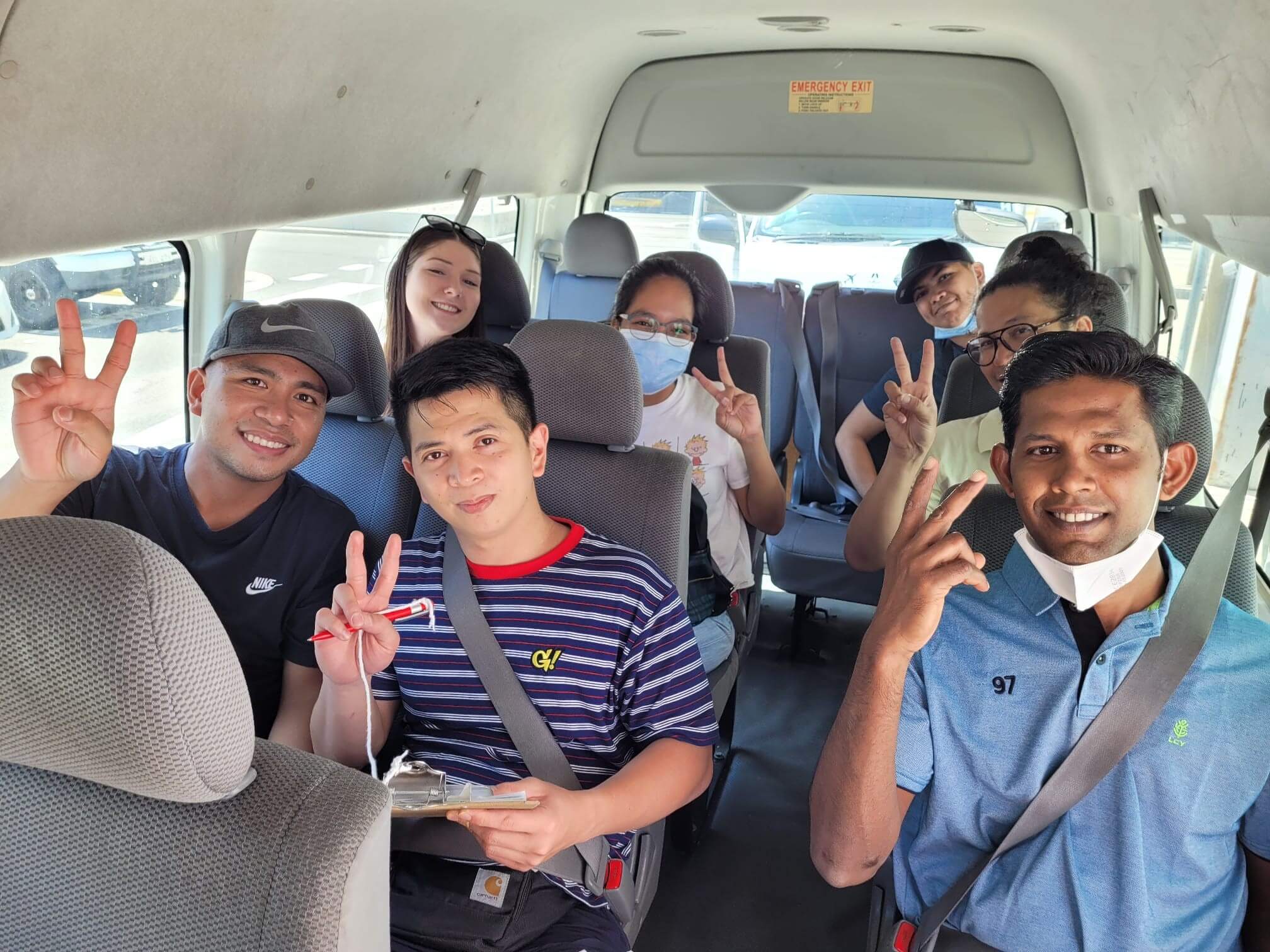
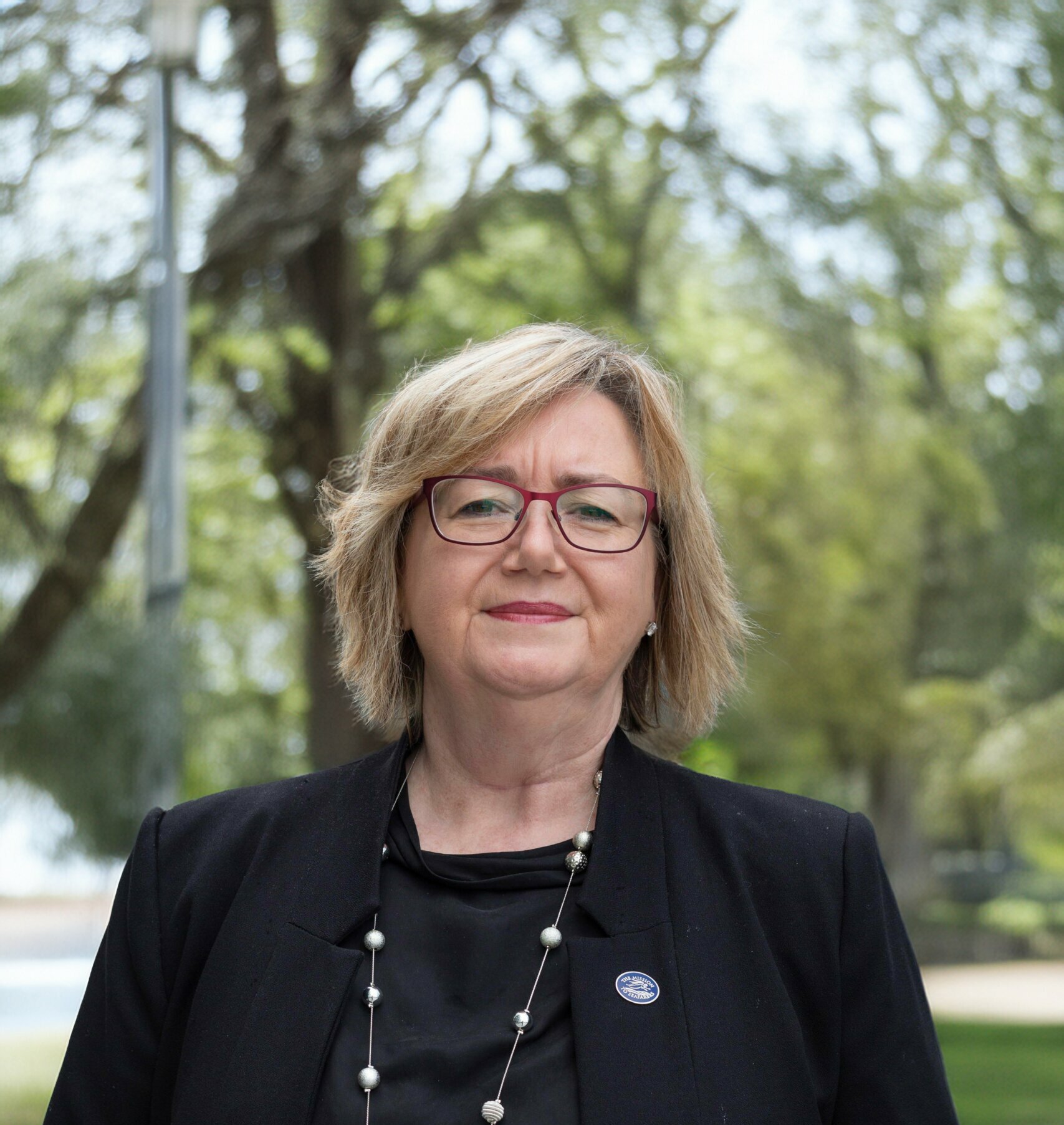
As Sue Dight, the Mission’s Regional Director for Australia, shares, “In Port Walcott, the pier alone is three kilometres long. Our buses drive down to collect the seafarers and take them to the nearest town, where there’s nothing more than a village shop.”
ANCHORAGE PORTS
In many cases, crews never set foot on land at all. Giant carriers sit offshore while smaller vessels ferry cargo back and forth.
With the rise of mega-ships, which require larger berths, ports are moving further and further from city centres. One example is in Western Australia, where Fremantle’s container port is set to relocate to Kwinana, doubling the distance from Perth.
“Even in Melbourne, it can be an hour’s drive in traffic before you’re anywhere near a shopping mall,” Sue explains.
RED TAPE AND SEA BLINDNESS
Geography isn’t the only challenge. Australian ports are among the most tightly regulated in the world. Combined with fast turnaround times, this often leaves seafarers with little or no shore leave. And when seafarers aren’t visible, they get forgotten.
“I once had to explain to a healthcare professional what a seafarer was,” Sue recalls with incredulity. “He couldn’t understand why it was critical that a Chief Engineer got a new pair of glasses within 24 hours.”
It’s a small moment, but a telling one – and a clear example of how society can overlook the people who make global trade possible.
A MISSION THAT SHOWS UP
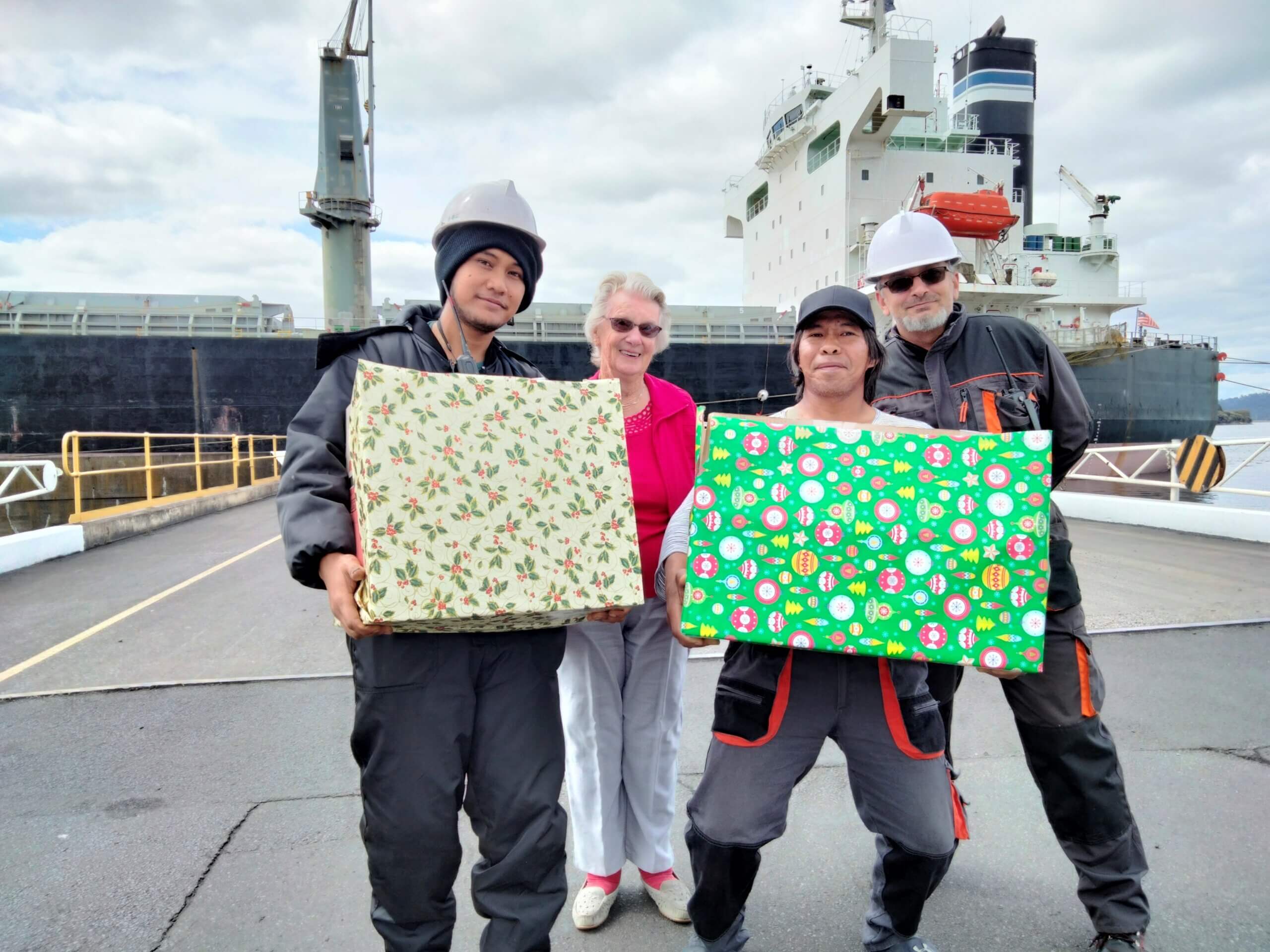
Despite the obstacles, the Mission is a constant source of support. In 2025 alone, our chaplains and volunteers visited 6,500 ships, transported 88,000 seafarers, and welcomed 90,000+ into our centres.
Often, it’s the simplest things that mean the most – a lift to the shops, a familiar taste of home or someone who has time to listen.
As Sue reflects, “We may not be able to change the ocean environment, but we can be there for people who work on it.”
1.89 million people work at sea, and with your help we can be there for everyone that needs us.