



Resources
A collection of free resources to help you raise funds and share the work we do

About our charity
The Mission to Seafarers provides help to the 1.89 million people who face danger every day to keep our global economy afloat.

What is a seafarer
Support for anyone working in the seafaring industry
Our impact
Providing help for seafarers in over 200 ports around the world.
Our issues
Multiple issues effect Seafarers everyday, learn how we help
Our people
Learn more about the staff that make change happen
Careers
Impacts on the lives of people across the world
Publications
Explore our latest publications, reports, and stories showcasing the impact of our work.

Back
About our charity
The Mission to Seafarers provides help to the 1.89 million people who face danger every day to keep our global economy afloat.
What is a seafarer
Support for anyone working in the seafaring industry
Our impact
Providing help for seafarers in over 200 ports around the world.
Our issues
Multiple issues effect Seafarers everyday, learn how we help
Our people
Learn more about the staff that make change happen
Careers
Impacts on the lives of people across the world
Publications
Explore our latest publications, reports, and stories showcasing the impact of our work.

Where can I get help?
We are here for you 24/7
Download our app
The first digital seafarers’ centre in your pocket.

Find a port
We’re located in over 200 ports in 50 different countries
Family network
Learn more about the community we’re building for seafarers’ families
The Sea
The latest maritime news and safety information for seafarers.
WeCare
An initiative designed to improve the mental health and wellbeing of seafarers
Training
We have a range of e-learning for seafarers and their families
Seafarers happiness index
A platform for seafarers to share their views and be a catalyst for change
Contact our Chaplaincy team
Support for anyone working in the seafaring industry
Back
Where can I get help?
We are here for you 24/7
Download our app
The first digital seafarers’ centre in your pocket
Find a port
We’re located in over 200 ports in 50 different countries
Family network
Learn more about the community we’re building for seafarers’ families
The Sea
The latest maritime news and safety information for seafarers.
WeCare
An initiative designed to improve the mental health and wellbeing of seafarers
Training
We have a range of e-learning for seafarers and their families
Seafarers happiness index
A platform for seafarers to share their views and be a catalyst for change
Contact our Chaplaincy team
Support for anyone working in the seafaring industry

Make a donation
With your help we can be there for everyone that needs us

Events
Learn more about our global programme of events

Legacy
Support us with a legacy gift.
Back
Make a donation
With your help we can be there for everyone that needs us
Events
Learn more about our global programme of events
Legacy
Support us with a legacy gift.
February 2026
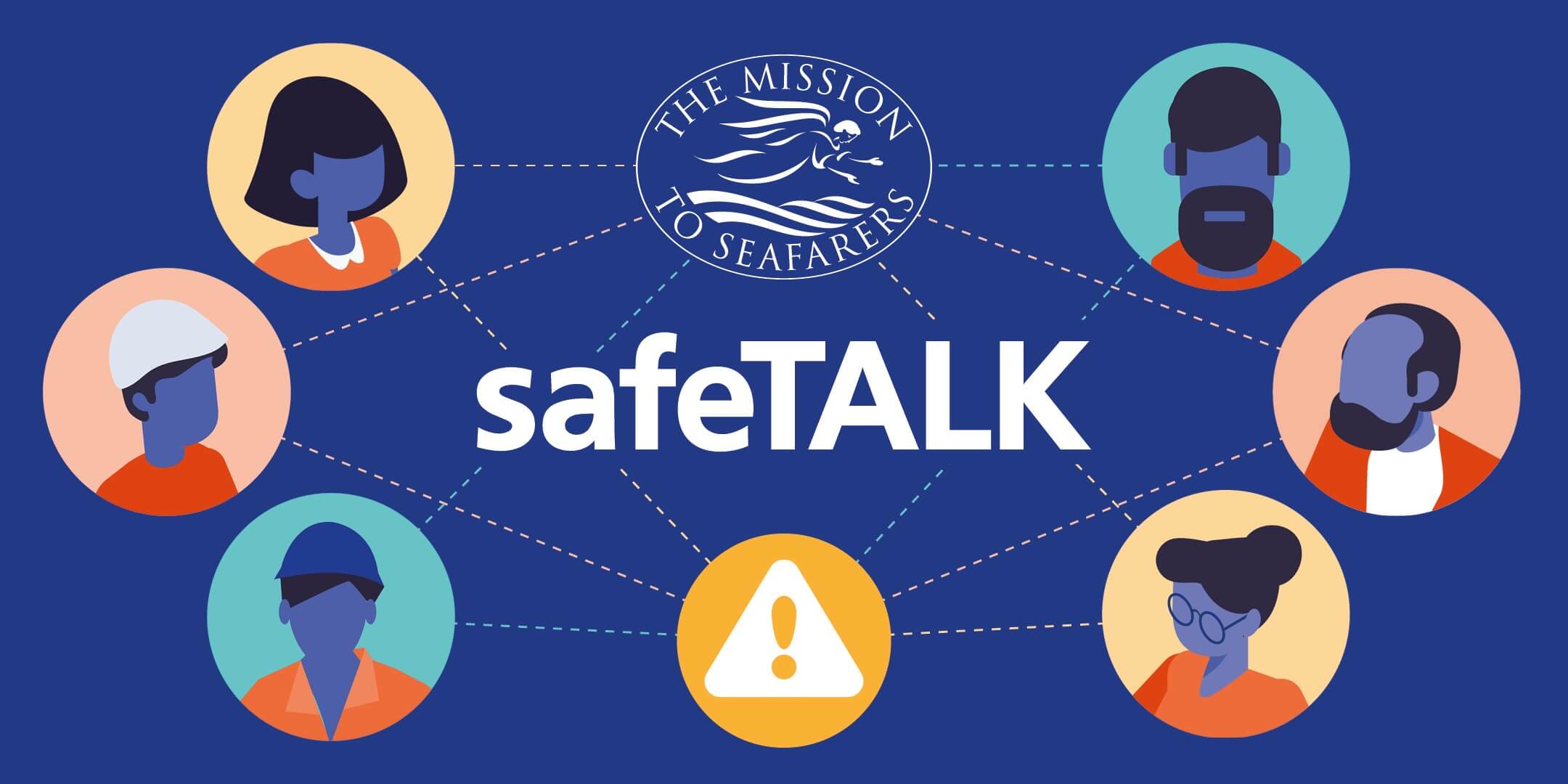
SafeTALK is often understood primarily to be a suicide-awareness course. But Tom used his presentation to explore its wider impact on what the industry refers to as human factors – the way people interact with their environment, equipment, procedures and each other onboard a vessel.
BEYOND WELLBEING
Drawing on a case study with shipping company Pacific Basin, Tom outlined how SafeTALK has contributed to meaningful cultural change. The partnership has grown rapidly, from training 256 seafarers in 2024 to more than 1,000 in 2025 – a reflection, he believes, of the course’s perceived value beyond its original remit.
One seafarer feedback comment stood out, “This training gives us assurance that we are heard, and that there are more people willing to listen.”
“For me, those words are key,” Tom explains. “What does it mean for the culture of an organisation when employees truly believe they are being listened to?”
SAFER COMMUNICATION, STRONGER CREWS
According to Tom, one of the clearest impacts of SafeTALK has been improved communication. Seafarers report feeling more confident speaking up under pressure in any situation.
In one example, an internal company helpline saw monthly enquiries increase from around five to more than 30 following the introduction of SafeTALK and related initiatives. “That’s not about suicide,” Tom says. “It’s about contracts, medical issues, all sorts”.
The training has also strengthened team cohesion and trust. Shared learning experiences have helped crews feel more connected to one another, and more confident that both onboard and onshore teams genuinely care about their safety and wellbeing.
EARLY INTERVENTION AND SHARED RESPONSIBILITY
SafeTALK’s emphasis on noticing, asking and acting has translated naturally into broader safety behaviours. “Alertness to safety becomes part of everyday behaviour,” Tom explains. “When something feels wrong, whether it’s a person or a procedure, they’re more likely to speak up.”
Crucially, the course reinforces shared responsibility. Crew members are encouraged to act where they can, and to pass concerns on when they can’t. “It removes the idea that leadership only comes from the top,” Tom says. “Responsibility and care is distributed across the crew.”
For Tom, that’s the real message. “This isn’t just a course about suicide alertness,” he says. “It’s about building safer, more connected crews. When people feel heard, supported and empowered to act, the benefits ripple out across the entire operation.”
As one seafarer put it simply, “I’ve got your back.”

1.89 million people work at sea, and with your help we can be there for everyone that needs us.